
Press & News

Projo — The little-known story ofwhy Narragansett TownBeach can charge to geton the sand
By Antonia Noori Farzan — One summer Sunday in 1991, dozens of protesters streamed onto Narragansett Town Beach, breezing past the guards who asked them to pay the $4 admission fee.

The Public’s Radio — House commission to invite public comment in South County on shoreline access
By Alex Nunes — A State House commission set up to study access to Rhode Island’s shoreline will take one of its meetings to South County later this year to get public comment from communities where disputes over beach access have been most contentious.
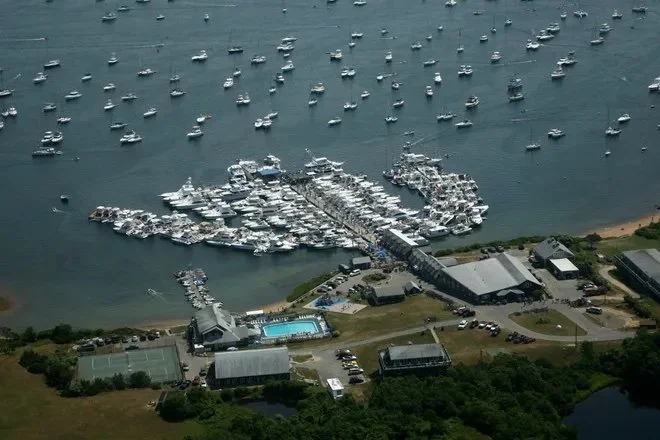
Projo — Sept. 9 deadline looms for ruling on controversial Block Island marina deal
By Jim Hummel — The mediated settlement of a controversial marina expansion on Block Island was a common-sense solution to nearly two decades of litigation. Or, it was a secret backroom deal that violated state law and excluded opponents who had fought the proposal every step of the way.

The Boston Globe — An argument over beach access in R.I. leads to a libel and trespassing lawsuit
By Brian Amaral — Cooler heads are not prevailing after one particular confrontation in Charlestown earlier this summer

CRMC — CRMC designates four new rights-of-way
The R.I. Coastal Resources Management Council (CRMC) recently designated four new public rights-of-ways – three in North Kingstown and one in Providence.

The Boston Globe — PODCAST Beach access, equity, and the right to collect seaweed
PODCAST Ed Fitzpatrick talks with Globe RI reporter Brian Amaral about the history of beach access in Rhode Island, and what needs to change to make coastal privileges more equitable.
ecoRI News — Special House Commission Appointed to Study CRMC
By ecoRI News Staff — Rhode Island Speaker of the House Joseph Shekarchi has appointed the 15 members to serve on a new commission to study the Coastal Resources Management Council (CRMC).

EastBayRI — Barrington Beach parking now open to non-residents
By Josh Bickford — About two weeks ago Barrington officials shifted their position on non-resident parking at the town beach. While the beach had not allowed non-resident parking at the start of the summer season, local officials decided to change that recently.

The Boston Globe — Here’s who will serve on a commission looking into R.I. shoreline rights
By Brian Amaral — A new Rhode Island House study commission looking into the hotly contested subject of shoreline rights will meet for the first time Aug. 26 at the State House, according to the office of House Speaker K. Joseph Shekarchi.

The Public’s Radio — Members named to new state commission on shoreline access in Rhode Island
By Alex Nunes — State lawmakers are taking another step forward in their plans to examine shoreline access in Rhode Island with appointments to a new House commission.

Boston Globe — A Brown researcher helped write the stunning UN climate change report…
By Brian Amaral — A Providence resident and Brown University professor was one of the key authors in a landmark United Nations report warning of the catastrophic consequences of climate change.

Boston Globe — Looking for a prime beach parking spot this summer? Think again
By Brian Amaral — When COVID hit, some R.I. towns gave their residents priority by placing restrictions on out-of-towners
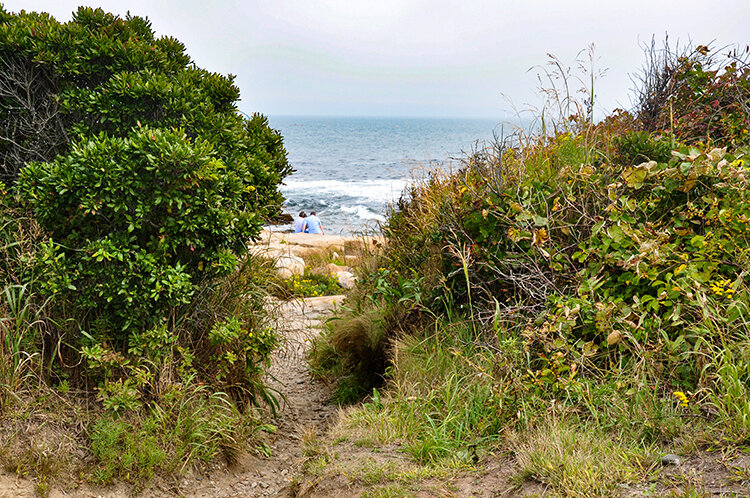
Save the Bay — Digging Deeper: Public Access in Rhode Island
By Save The Bay’s Policy Team — Save The Bay’s vision of “a fully swimmable, fishable Narragansett Bay,” concludes with a critical detail: “accessible to all.” While there is no doubt that the Rhode Island Constitution specifically protects the public’s right to access and use the shore, the exact location of that public shoreline is harder to locate than you might think…
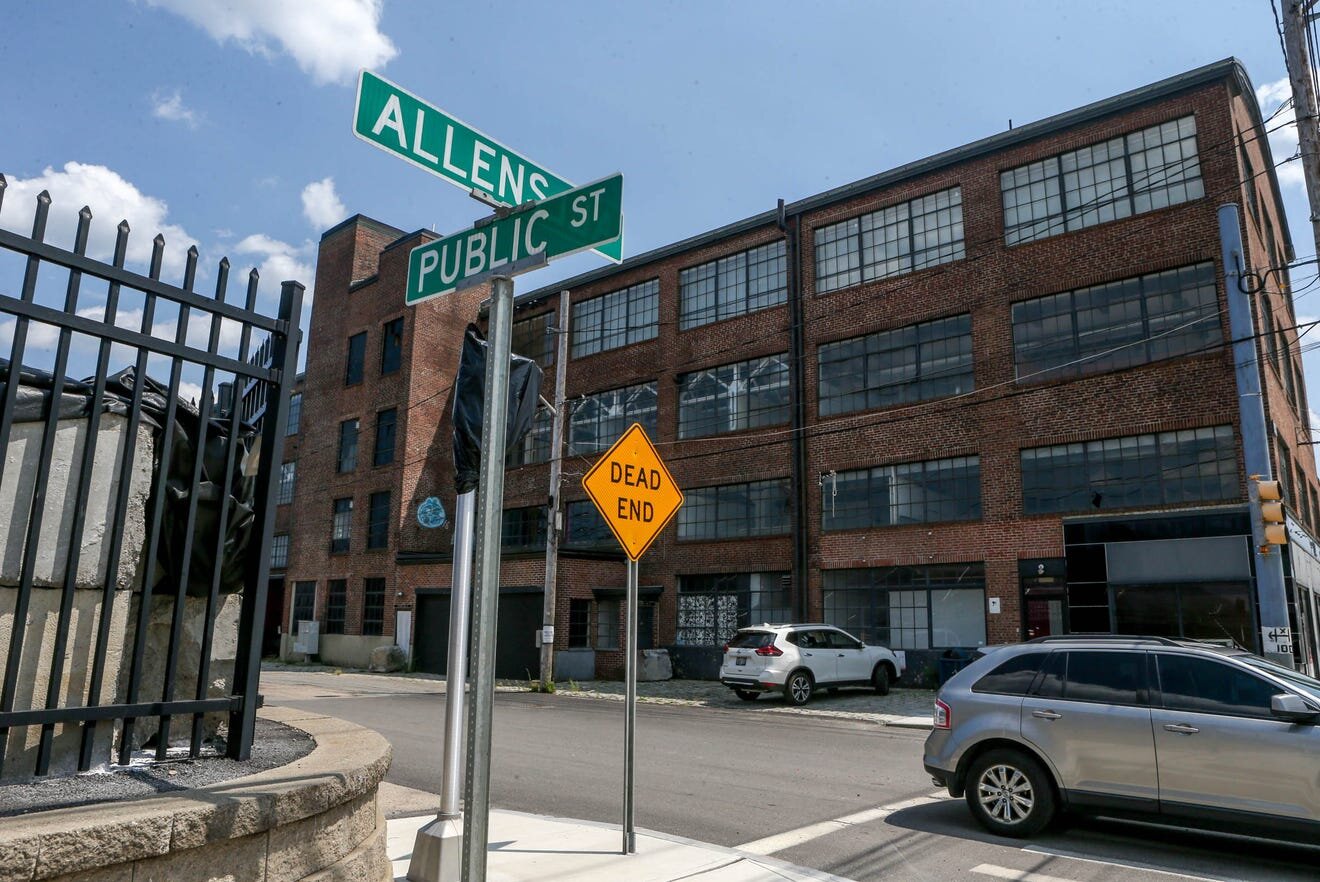
Projo — Public Street was blocked off to the public…
By Antonia Noori Farzan — From its name, you'd assume that Public Street was intended for the public. But before the attorney general's office intervened last winter, fences blocked off the road's eastern terminus where it meets the Providence River.

Wash Post — Who can use the beach? Erosion, tide lines and state laws make a difference.
By Thomas Ankersen — … On most U.S. shorelines, the public has a time-honored right to “lateral” access. This means that people can move down the beach along the wet sand between high and low tide — a zone that usually is publicly owned. Waterfront property owners’ control typically stops at the high tide line or, in a few cases, the low tide line.

Boston Globe — In Barrington, a battle is brewing over beach access
By Brian Amaral — The quiet, wealthy community has several public points of access to the shore -- and prominent “no parking” signs near many of them, limiting who gets to go to the beach

Projo — Is this wealthy RI town using parking tickets to limit the public's access to the beach?
By Antonia Noori Farzan — When Ken Block got a dog two years ago, his perspective on Barrington started to change. Tilly, a Goldendoodle, loves to swim. So Block, best known locally for his runs for governor in 2010 and 2014, began looking for spots to take her. And he quickly discovered that getting to the water was much harder than it seemed.

Boston Globe — A seaside R.I. town added parking near a surfing hotspot. Now they’re getting sued for it
By Brian Amaral — For decades, according to local surfers, there was a live and let live attitude about parking in these neighborhoods. But coastal McMansions replaced beach shacks, homeowners started calling the police to get cars ticketed near public rights-of-way along the shore

sc Life — The Tides That Bind: Surfing in South County is more than an activity, it’s a lifestyle
By Bill Seymour — Looking out into the Atlantic Ocean recently at Narragansett Town Beach, Allen Santucci, 27, a surfing instructor, reached back into time.

Projo — Political Scene: Beach battle: Debate over access heats up this summer
Jul 6, 2019 — By Tom Mooney — A month after Charlestown resident Scott Keeley was arrested for trespassing, he and about 100 other protesters returned to the same swath of beach on Saturday to raise awareness to what they say is the erosion of Rhode Islanders’ state constitutional right to the shore.